

The Lebanon Valley Rail Trail is an officially designated National Recreational Trail, stretching for 15 miles through the picturesque landscape of Lebanon County, Pennsylvania. This path, established on the bed of a former railway, is a vivid example of the successful transformation of industrial infrastructure into a space for active recreation. It allows visitors to enjoy nature and history year-round, offering an easy and accessible route for various activities.
Geographic Location and Connections

The LVRT serves as an important link in Pennsylvania’s regional trail system. It begins near the southwestern border of Lebanon County and runs through several historic communities, including Colebrook, Mt. Gretna, Cornwall, and passes directly through the city of Lebanon. At its southern end, the LVRT connects with the Conewago Recreation Trail, extending the route by another 5 miles and creating an expanded network for travel.
The trailheads are located as follows: one end is at US Route 422, and the other is at the border with Lancaster County. The route, which crosses the famous “Pennsylvania Dutch Country,” features only a slight elevation change – just 328 feet. The highest point of the route is in West Cornwall Township (766 feet), and the lowest is located at the border of Lebanon and Lancaster Counties (438 feet), making the trail easy for most users.
Evolution from Rail Line to Trail and Expansion Prospects
The Lebanon Valley Rail Trail is built on the historic Cornwall-Lebanon railway line, which was established by industrialist Robert H. Coleman in the 1880s. This line was once of enormous importance to local industry. Today, utilizing the old railroad bed, the trail continues its legacy, but now as a recreational corridor.
Currently, the trail spans 15 miles, but its development continues. Volunteers and supporters are actively working on projects aimed at extending the route to the northern part of Lebanon County, as well as to Jonestown. This ongoing development underscores its growing importance as a regional resource for health and tourism.
Unique Surfacing and User Experience
One of the most unique features of the LVRT is its dual infrastructure, designed to support a wide range of activities. The trail actually consists of two parallel paths:
- The Primary Path: Features crushed stone surfacing with separate paved sections. This part is intended for pedestrians, runners, cyclists, and, in the winter, cross-country skiers.
- The Specialized Path: Covered with wood chips and is intended exclusively for equestrians.
This separation ensures comfort and safety for all users. The route passes under both a natural tree canopy and open sections, allowing travelers to observe diverse landscapes. On one side, there are pristine forests of state game lands, and on the other views of farms and fields of the Pennsylvania Dutch Country. The trail is accessible year-round, but users should be aware of potential hazards associated with vehicular traffic at six road crossings.
Amenities and Access to Cultural Sites
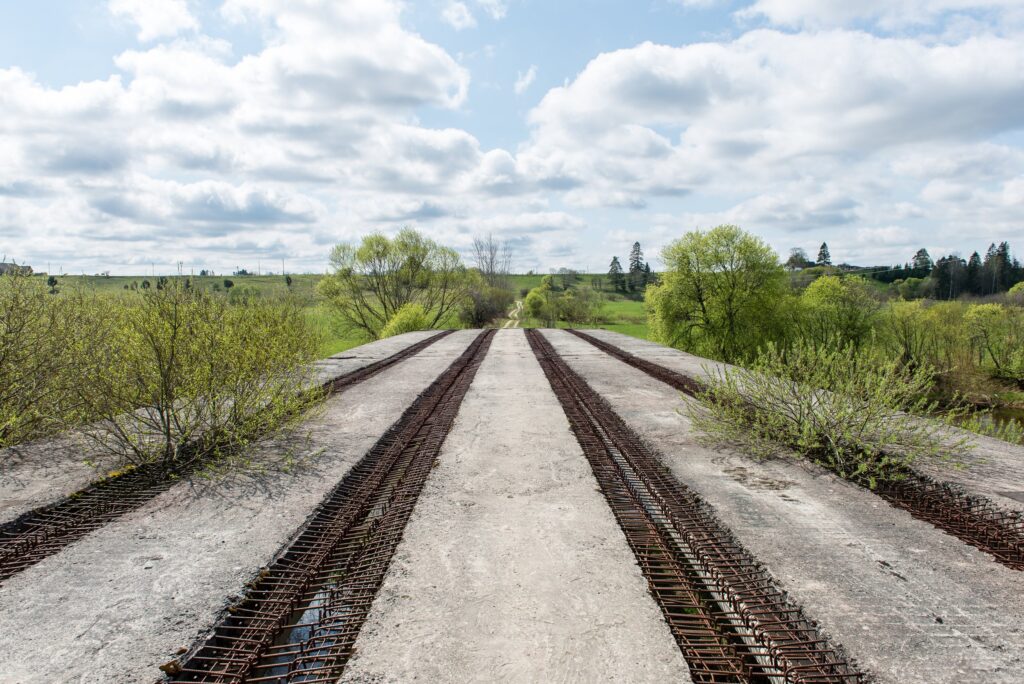
The LVRT is excellently integrated into the local infrastructure and offers a range of amenities. Trailheads, where parking is available, are located at key points, including Lawn Road, Colebrook Road, Alden Place, Cornwall, near the Expo Center in Lebanon, and at 8th Street. Restrooms are available at the Lawn, Colebrook, and Cornwall trailheads.
In addition to basic conveniences, such as benches for rest, the trail passes near many local landmarks and services, making it an ideal destination for tourists:
- Educational Institutions: Lebanon and Cedar Crest High Schools.
- Sports and Community Facilities: Lebanon Expo Center & Fairgrounds.
- Historical Sites: Cornwall Furnace Park and Union Canal Tunnel Park.
- Natural Areas: Governor Dick Recreation Area and Pennsylvania State Game Lands.
In Cornwall, at the trailhead, there is a unique large root beer barrel that functions as a small souvenir shop. Restaurants, ice cream shops, a hotel, and a bike shop are located near the trail, ensuring a comprehensive recreational experience.
The Strength of the Volunteer Community
The management of the Lebanon Valley Rail Trail is inspiring. As its supporters note, the uniqueness of the trail lies in the fact that its full operation, from fundraising and construction management to maintenance and public relations, is entirely carried out by an extremely dedicated group of volunteers.
The nonprofit organization “Lebanon Valley Rails-to-Trail, Inc.,” founded in 1996, took the lead in development and management. Operating in a county that lacks a public parks and recreation department, the LVRT filled this gap through volunteer efforts. Their successful private fundraising campaign, which raised over $300,000 for the first phase, so impressed local lawmakers that it led to the provision of state grants for the continuation and completion of subsequent sections.
The Lebanon Valley Rail Trail is more than just a path for walking. It is a symbol of community initiative that preserves historical heritage and offers a modern, accessible, and scenic space for active recreation in Pennsylvania.